AN INDEPENDENT FIELD GUIDEAGRICULTURAL ROBOTICS / TOP FARM ROBOTS
Top Farm Robots.
MACHINE FIELD SHEET / TFR / 26390

Autonabit Avvy Bird Scarer.

Shipping

An autonomous bird deterrent robot that uses AI and computer vision to detect and deter birds from crops, reducing crop damage while being environmentally friendly and cost-effective.

Agricultural robotics from Autonabit.
Website
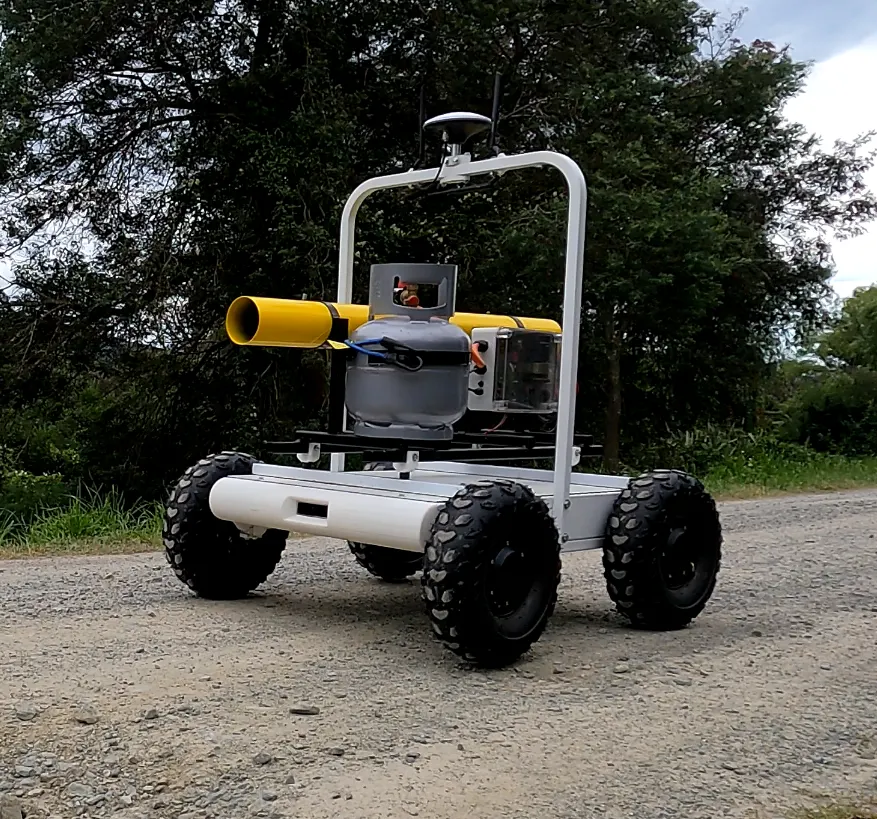
01 / MACHINE IMAGEAutonabit
Autonabit Avvy Bird Scarer
PRODUCT FAMILY IMAGE ยท MODEL APPEARANCE MAY VARYTOP FARM ROBOTS / FIELD GUIDE
02 / UNDER THE HOOD

The useful details.

Model specifications and operating notes.

Structured specifications have not been listed yet.

Company profile

Behind the machine

More from Autonabit

The Autonabit Avvy Bird Scarer is an innovative autonomous robot designed to protect crops from bird damage. Using advanced AI and computer vision technology, it provides effective and environmentally friendly bird deterrence while reducing labor costs and crop losses.

Key Features

  • AI-powered bird detection
  • Autonomous operation
  • Multiple deterrent methods
  • Weather-resistant design
  • Remote monitoring
  • Environmentally friendly
  • Cost-effective solution

Applications

The Autonabit Avvy enables:

Bird Control

  • Real-time bird detection
  • Targeted deterrent activation
  • Pattern learning and adaptation
  • Coverage of large areas
  • 24/7 protection

Crop Protection

  • Reduced crop damage
  • Increased yields
  • Consistent deterrence
  • Preventive monitoring
  • Damage assessment

Smart Agriculture

  • AI-driven operation
  • Data collection and analysis
  • Automated reporting
  • Resource optimization
  • Integration with farm systems

Technical Innovation

The system demonstrates innovation through:

  • Advanced computer vision
  • Machine learning algorithms
  • Autonomous navigation
  • Smart deterrent systems
  • Remote management interface
  • Adaptive behavior patterns
  • Energy-efficient operation

Impact on Agriculture

The Autonabit Avvy transforms crop protection by:

  • Reducing bird damage
  • Lowering labor costs
  • Improving crop yields
  • Providing sustainable pest control
  • Enabling data-driven decisions
  • Enhancing farm efficiency