AN INDEPENDENT FIELD GUIDEAGRICULTURAL ROBOTICS / TOP FARM ROBOTS
MACHINE FIELD SHEET / TFR / 0885
Rotate8 Precision Farming Rover.
An autonomous, electric rover platform designed for precision agriculture applications like crop monitoring, spraying, and data collection. Features modular design for multiple implements and advanced navigation capabilities.
01 / MACHINE PHOTOGRAPHRotate8
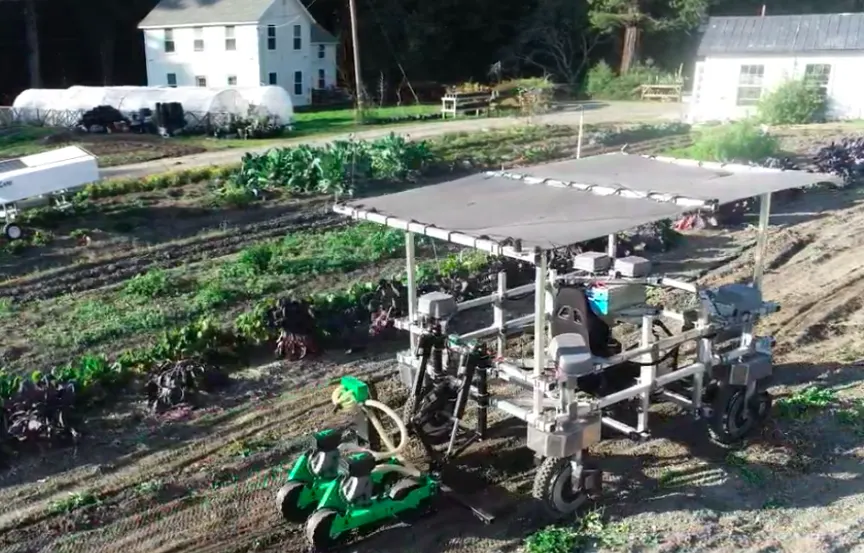
PRODUCT FAMILY PHOTO · MODEL APPEARANCE MAY VARYTOP FARM ROBOTS / FIELD GUIDE
02 / UNDER THE HOOD
The useful details.
Model specifications, operating notes, and the sources behind them.
Structured specifications have not been cataloged yet.
Company profile
Behind the machine
The Rotate8 Precision Farming Rover is an innovative autonomous electric platform designed for various precision agriculture applications. This versatile system combines advanced robotics with modular functionality to enable efficient crop management and data collection.
Key Features
- Electric propulsion system
- Autonomous navigation
- Modular implement attachment
- Advanced sensing capabilities
- All-terrain mobility
- Weather-resistant design
- Remote operation capability
Applications
The Rotate8 rover enables:
Crop Management
- Precision spraying
- Plant monitoring
- Disease detection
- Nutrient assessment
- Growth tracking
Data Collection
- Field mapping
- Crop health analysis
- Soil condition monitoring
- Yield estimation
- Environmental sensing
Precision Operations
- Targeted treatments
- Variable rate application
- Row navigation
- Boundary management
- Obstacle avoidance
Technical Innovation
The system demonstrates innovation through:
- Advanced control systems
- Sensor fusion technology
- Modular architecture
- Electric power management
- Autonomous navigation
- Real-time data processing
- Remote monitoring interface
Impact on Agriculture
The Rotate8 rover transforms farming operations by:
- Reducing chemical usage
- Improving application accuracy
- Lowering operational costs
- Enhancing data collection
- Enabling precision management
- Supporting sustainable practices
Farm robots, weekly
New robots, funding, and events. One email a week — unsubscribe anytime.